BIODIVERSITY IN THE EPIC RAMAYANA


Fidelity to Nature and fascination for it is the central theme of Indian philosophical thought apart from its cosmogenic widerness and personalized microfiches. Nature is mother for us and its manifestations beyond an impersonal eventuality. Many are the facets upon which its intaglios cast off from Vedic amulets to modern science. So, on one side, the story depicted in the Epic Ramayana is an elaboration of the vegetational fertility with ‘Rama’ as man of agriculture and ‘Sita’ as the goddess of agriculture. The extreme of the other end liesin the historical alabasters of the Epic scattered among the embellished trails of the past. In the midland of these two fathoms remains the true morass of the story which strives hard to convey a message of co-existance through the description of a true exeistance. Here we have the three versions of a general descant being the Valmiki Ramayana, Ramopakhyana of Mahabharata and Dasaratha Jataka. Shapened and retold for a religious ambience, all these forms are shown to be modified profoundly, before they are with us with its enormous details. Through we are not concerned with the historicity of the entire plot or civilization, an analysis of the time-frame would be worth watchful as we are presently concerned with bio-geography of this past realm. As per the available literary evidence, it has been pointed out that Epic Ramayana was compiled between 300 BC-200 AD, although the original story could be as old as 500 BC (Goldman, 1984). In the Hindu versions of Ramayana, Rama appears as the King of Kosala Dynasty and so historically it can’t be assigned a date prior to 700 BC (Murthy, 2003). The story revolves around the fourteen years of exile of Rama and the adduction of his wife followed by the battle of Lanka. Disputes are there among historians of today who are doubtful regarding the site of this battle, denying it to be the Sree Lanka of today (Sankalia, 1991). Some others believe it to be the Chota-Nagpur region (Thapar, 1990) where the great battle take place and we may affirm nothing, as it will be a flunkey-act without further studies.

Forest Description in Ramayana


In Valmiki Ramayana, two Sanskrit words such as “Vana” and “Aranya” are used while referring to forests. It should be noted that these two are not used synonymously, but in different etymological contexts. The term ‘Vana’ is used to denote sub-forestation, a kind of cultivated forest where there is a clustering of desirable plants, planted and reared for a purpose. On the other hand, “Aranya” is true wilderness, a land of uninhabited jungle of fearsome creatures. It is exemplified by the Dandakaranya which is horrific and abode to the cannibalistic Rakshasas occupying its larger area. The “Chithrakuda” and “Panchavadi”, in contrast to this are modified environments which contain “ashramas” of sages and peculiar kind of human people knows as “Kinnaras” and “Vidyadharas”. After meeting the author (!) Valmiki, Rama, Sita and Lakshmana prefer to settle down in Chitrakuda. After meeting Bharatha who carries the sad news of the demise of Dasaradha, they move to Agasthya’s hermitage to make a temporary residence near to it, in the serene surrounding nearer to it, called the “Panchavadi”. The wilderness comes again to the story-plot when Hanuman enters the Kingdom of Ravana, in the island of Sree Lanka. Strangely, Lanka holds two kinds of forests, the natural woodland of its own and the cultivated forest of the Royal Majesty. The Royal rearings are called the “Asokavana” where Sita is kept and it is peculiar in many aspects. Hanuman also visits the “Aushadhiparvatha” in Kailasa, which is believed to be in the Himalayan region. Rather enigmatically, it is described to be the land of “glowing” medicinal plants for which Hanuman’s prolonged errand is cherished. The narrative style of all these forest types are supposed to evoke four predominant sentiments also, coined as the four major “rasas” such as “santa” (Tranquil), “madhura” (Sweetness), “roudra” (Fury) and “Bhibhatsa” (Terror) (Philip, 2001). Let’s now take how these distinctiveness are imparted to the biodiversity of the various forest kinds.

The Chitrakuda Forest
Also known as “Mahavan”, the Chithrakuda forest is portrayed as a land of pervading non-wilderness which form the first abode of Rama’s settlement. It is described to be at about three and a half yojanas (ie., 5 miles) away from the Chithrakuda Hill, the foot-plain of which stretches in to deep forest. It is not far away from Prayaga where there is the Ashrams of Bharadvaja with river Mandakini flowing at its feet. It is a place of purity and spirituality, as reflected in Valmiki’s description (Ayodhya Kanda 54.29; 94.4-13). The environment is characterized as a repository of rich water sources and a vegetation typical of a Tropical Deciduous Forest. The river side growth of trees gests full focus in description. (The floral aspect is presented in the Table). The plants include fruiting type, both edible and non-edible, with some medicinal herbs of peculiar kind indicated as “Mmaboushadhis”. However, some plants attributed to be there in this Central Indian Forest, is reported to be unnatural rather than ambiguous. These are the Himalayan plants such as Kushta (Saussurea lappa) and Bhojaptra (Betula alnoides). The former is a herb, usually found in Kashmir, Himachal Pradesh and Garhwal today and latter, a tree distributed in the temperate and sub-tropical Himalayas, Khasi Hills and Manipur. If these were really there in Chitrakuda, it could be the earliest record of a “plant introduction”! Well, the ascetics might be doing it as an effort towards the inculcation of a ‘religious ecology’. The Human factor and its activities are prominent in this sub-forest formations ranging from Sidhapurushas to super-natural personifications such as Kinnaras and Vidhyadharas. The faunal part include all the common animals of Central Indian Habitat with varieties of monkey species, tiger, beer, deer and elephant. However, being non-malicious of poetically rendered so, these too add to the prevailing sentiment which is santha with rare-mix of the erotic rasa expression- (Sundara Kanda 28.12-14).

Dandakaranya – the Thickest
 
“What a forbidding forest is this, echoeing with swarms of crickets, fearsome beasts of pray and harsh-voiced cultures. What a dreadful voice is this?”- Rama asked Visvamitra when he came to the Dandaka forest for the first time, accompanied by Lakshmana for killing the demon-witch Tadka- (Balakanda 24. 13-16). The forest is depicted as the horrific abode of cannibalistic Rakshasas, especially the Demon Dandaka from whom the forest owes its name. As per the plant diversity and geographical features, it is believed to be a vast region including the parts of present day Madhya Pradesh, Orissa and Andhra Pradesh. It remains as a trackless forest with all sorts of ferocious animals. The floral part is with much diversity . Though showing a high fidelity towards the traditional vegetation of Madhya Pradesh. Hill springs and other water sources are abundant with water birds and other screeching winged ones rather than song-birds. In Aranyakand 11.2-4, it is said: “As they traveled with Sita, they saw varied mountain landscapes, forests, lovely rivers, ponds covered with lotuses and thronged with water-birds, dappled antelopes, rutting wild buffaloes, elephants butting the trees and bears.”This description is some what a deviation from the first impression that we get from the Tadaka’s place, evidently showing that the wilderness included many sub-forests also. As we change from the Balakanda to Arabyakanda, there is a transition in the prevailing jungle composition, leading to wide lands of human habitations. In addition to the great sage like Sarabhaviga and 21 great saints (munis), there were semi-goddesses called Apsaras and spirits like Gandharvas. “The asramas formed a circle, it was a place of refuge for all creatures- Aranyakanda 2. 1-7 details. The ecology as a whole was a modified one with medicinal, ornamental and edible plants, all utilitarian, amidst the generally sylvan environment. The ethinicity is represented by Kinnaras, which are beings with human bodies and horse’s heads- an aspect which is presently obscure- demanding further studies of anthropological kind- or an early attempt for the modern version of much dramatized Magic realism’? Answers Waver.

The Panchavadi Sub-Forest
Valmiki portrays Panchavadi as an ever-blossoming forested plain, a tranquil area on the banks of river Godavari. It forms Rama’s permanent settlement in forest, which is about two leagues far from the asrams of Agasthya. Representing a modified ecology, it is rich in floral contents comprising fruit-yielding and medicinal plants-(Aranyakanda, 15.11). Interestingly, part of it forms a cultivated land of cereals and millets including the sali-rice, wheat and barley. Every plant denotes and reveals a selection process from an economic point of view, being sacred and utilitarian rather than aesthetic. The faunal characters are characteristic of the Central Indian forests with deer herds and Peacock. There are plenty of aquatic birds among which Kraunca and Chakravaka appear with special mention- (Aranyakanda. 15.1,9). Teeming with of birds was very common due to the abundance of root-vegetables and fruits. It is also worth mentioning that all these actions of “humanizing a forest” occurred in the midst of the frightening wilderness of Dandakaranya. Even though, the flora of this forest area was peculiar in its own sense and it can be summarized as in Table 3.

Lankan Forests and Asokavana
 
In Valmiki’s description, the vegetation of Sree lanka falls under two main categories, the natural Ever-green Forests of the island in general and the naturalized forests of Ravana’s Botanic Gardens. Asokavana gaining the status of the earliest Botanic Gardens in the world is a place for royal recreation with all sorts of natural beautifications. The garden owes its name due to the varied varieties of Asoka trees (Saraca asoca) which appear as golden, fiery red and dark among other elegant sylvan entities. Valmiki goes into raptures while describing the resplendent rabbles of creepers and lianas there, forming the essential adjuncts of an ever-green forest. More precisely, the Champu Ramayana by Bhoja Raja mentions the presence of 38 tree species in Asoka Vana, in a much systematic way, than Valmiki does. At the same time, Valmiki points out that there had been large open spaces amidst the forests (bhumibhaga) which may be landing grounds for his prestigious air-craft-Pushpaka Vimana, or they may be acclimatization grounds for the introduced plants collected during his longer journeys. The landscape apart from this private land was largely mountaineous. Representing true-rain forests, the foot-hill plains of these presented lush greenery. The Gymnosperm Pinus roxburghii was very common along with other flowering plants (Sundara kanda 2:6). Even though there are some sketchy descriptions of song birds and aquatic fauna, generally the animal world is less represented compared to the vivid floral accounts.

Mahodaya- the Medicinal Mountain
Mahodaya- “the Great Rising”- is another name for the “Osadhi Parvatha” which is visited by Hanuman in search of some peculiar kinds of medicinal plants. It is depicted as a separate rock that have arisen in between two mountains known by names, Kailasa and Rsabha. There is a mythological relation between the two, as Kailasa bing the abode of the Supreme God Siva and Rsabha his carrier (bull). The medicinal plants are there on the southern peak of the ventral hill which is peculiar to have four highly potential drug plants. Named after their particular curative properties, these are the Mrtasanjivani, Suvarna Karani, Visalyakarani and Sandhanakarani. The Mrtasanjivani is with life-principle for the revivification of the dead, Visalyakarani for removal of darts from the body, Suvarnakarani for bringing back natural complexion and Sandhanakarani for healing of fracture. These plants are narrated as “glowing herbs” and the strong aroma of these makes the entire environment strongly aromatic. However, the identity of these medicinal plants still remains as an enigma, though the location of Mahodaya Mountain has been traced (Law, 1968) Hanuman is crossing the Himalayas as pet descriptions in Yudhakanda (74-30,31,60) in Ramayana, and so it must be geographically nearer to the Trans-Himalayan Zone. The forest type is Alpine Semi-Forest though the biodiversity of the habitat is not much highlighted. It is interesting to note that there are some hints on metal depositions which shows the insight of the ancient sages towards the material world (Yudhakanda 74:62-64).

Animal Diversity in Ramayana
From the biological point of view Ramayana by Valmiki is peculiar to have a faunal prelude. It is the poignant story of a male among a bird-pair killed by a hunter. The heart-rending distress of the female affected Valmiki so powerfully that he curses the hunter which comes out in the verse-form symbolizing the tragic story of Rama and Sita. The event occurs prior to the composition of Ramayana by Valmiki, who had to witness the tragedy on the bank of the river Tamasa. The place is now identified to be in Allahabad in North India and the bird species as Ardeola grayii (Kraunca) (Leslie, 1998). Ornithological specifications are plenty within the main story also. Aquatic birds of varied types such as Rathanga (Tadorna ferruginea), Karandava (Fulica atra), Kraunca (Ardeola grayii), Plava (Ardeacinerea), Hamsa (Cygnus olor) etc., are described as forming part of the Chitrakuta forest. The same is represented in Panchavati also. The Chitrakuda also contains song birds like Kokila (Eudynamys scolopacea). Mayura (Pavo cristotus) is reported from Indian peninsula. Taking the mammals, the Dandakaranya and Chithrakuda are the most diverse in wild species with Elephant, Spotted Deer, Bear, Pig, Wolf and Hyena. Mareecha taking the form of a Deer, to trick Rama, enabling Ravana for the abduction forms turn of the story. Yet another animal group that has a prominent place in the story is the arboreal pre-human such as monkeys. It will be harder to perceive Hanuman or Sugriva as monkeys, but apart from being merely mythological fascination, they can be intelligent apes. And, there is also a strange relation between the names of monkeys and mountains (Brockington, 1984). For example, Hanuman (Anjaneya) is named after Anjanagiri, a mountain on the southern side of Kailasa. There is also a confusion arising as the word ‘Bhalluka’ in Sanskrit means both a monkey and a bear. Jambavat is mentioned as the ‘king of bears’, and there is a mountain by name Jambunada, forming a similarity. All these aspects, animal accounts, synonyms and magical herbs are reminiscent of a great time, when man (purush) was a part of the nature (prakrithi) which remained as an inseparable combination. Today, he is opposing the nature, his better half itself, for his maudlin needs. Here lies the message of these Epics.

References

1. Brockington, J.L. (1984) - “Righteous Rama”, Oxford University Press, New Delhi.

2. Goldman, Robert P. (1984) - “The Ramayana of Valmiki: An Epic of Ancient India”, Vol I, Balakanda, Oxford University Press.

3. Law, B.C (1968) -“Historical Geography of Ancient India” Second Revised Edition, Societe Asiatique de paris.

4. Leslie, Julia. (1998) - “A Bird Bereaved: The Identity and Significance of Valmiki’s Karaunca”, Journal of Indian Philosophy, 26: 455-487.

5. Murthy, S.S.N. (2003) - “A note on the Ramayana” Electronic Journal of Vedic studies, vol.10, Issue 6, pp 1-18.

6. Philip, Lutgendorf. (2001). “City, Forest and Cosmos: Ecological Perspectives from Sanskrit Epics”, Hinduism and Ecology, Oxford University Press.

7. Sankalia, H.D. (1971) -“Ramayana: Myth or Reality”, Peoples publishing House, New Delhi

8. Thapar, R. (1990) -“ A History of India”, Penguin Books.

Acknowledgement: The information presented in this article was taken from Roy, Mira, “Environment and Ecology in the Ramayana,” IJHS 40.1 (2005) 9-30. I am greatly thankful to Smt. Mira Roy for allowing me to use the facts contained within it. The authorship is here by duly acknowledged.

Note: Due to technical reasons, I couldn’t include tables to this article. The complete article is being published in June issue of Science India Magazine.




HI-TECH SPORTS : TECHNOLOGICAL REVOLUTION IN SPORTS


“Those who fall in love with practice without science are like a sailor who can never be certain whither he is going.”
- Leonardo da Vinci

Zola Budd was born in South Africa. A quarter of a century ago, she was a teenage runner-breaking the women’s 5000 m record by 10 seconds, but the speciality was that she did it in bare foot ! At the prime of her fame, she was brought to Britain and sent to compete in 1986 Los Angeles Olympics through a hasty subjugation of citizenship. Her immediate rival was the American bionde, Mary Decker, challenging her at the women’s 3000 m. They came head-to-head and when there was three more laps to go, Decker staggered from her line and collided with Budd.


She fell from the track and was unable to continue but the real damage was for Budd who as inflicted by a spike wound from Decker’s shoe. Tears streamed from Budd’s face as she struggled to continue with the gripping pain in her tendons, fading badly at the end and finishing seventh. Sadly it was too disappointing amidst the boos and catcalls from the American crowd. However, what would have been Zola Budd’s Future if she were wearing any kind of running shoe? This is not exaggeration, surely on the other side is the Kenyan Athlet Tegla Loroupe who was unable to afford her first pair of shoes until winning a cross-country race in 1986. Apart from this context atleast, the triumph of technology is total and inevitable in the emerging field of sports.


Sports Today


The myth about the ancient athlets of Greece says they competed naked across the turf of Olympian playgrounds. Though there is a lot of scholarly discontent over this, modern sports has come a long way since the true representations of these splendid physiques. What we have today is a ‘wrought-sports’ shapened by two major forces: overt professionalisation and commercial advertisement. Both has made it tremendously transcending-a warehouse of technological marvels and the brooding ground of multi-billionaire business. The revolution really took off in the 19th century. Greater wealth brought by the industrialisation when coupled with a passion for fresh market lead to a torrent of sporting gears for fresh market lead to a torrent of sporting gears. It may be surprising to see that lace-up croquet shoes with rubber soles and canvas uppers went on sale in the 1860s. Thanks to the discovery of vulcanisation, the process of curing rubber by the addition of sulphur. It was feet that lead the way to the performance enhancing gadgets-studded football boots, spiked running shoes and heel-less cycling shoes. Next came the protective wear, principally applying to sports where there is a serious chance for physical injury. Cricketers were the better pampered with leg-guards and donning gloves. All these began, albeit slowly in 1940’s spanning to 1970s but better falling to the first generation of enhancements.


Today, time and action in track and field are better than the immediate past which even went down towards the redefining of sports. In the “brave new world” that evolved victory became more important than performance making sports more dramatic and statistically superior, year on year. Technology has improved almost everything in sports, from training to recovery and diet to clothing. There can hardly be a muscle group that is not targeted by a sports machinery that is designed to enhance bone density and ligament tensions. There are even machines that can replicate human opposition:- “bowling apparatus” for cricketers and ball-launching assemblies for baseball players. However, among all these second generation improvements, the basic principles remain the same deployed vexatiously under the traditional umbrella of sports, science. Biomechanics has turned out to be a specialist area with the advent of ‘motion analysis’ tools that is assisted by sophisticated computer programs. More alarming is the fact that technology-driven sports revolution is only just beginning. Gene doping and genetic engineering are on the way, raising-competition into unimaginable realms. Sadly, we are pouring scorn to the lines “play up ! play up ! and play the game!”


Science in the Game


During the first test of the Australia and England Ashes series in 1979-1980, Australia’s fast bowler Dennis Lillee came to the wicket carrying a “brand-new” shining bat. When he drove the ball from England Paceman Ian Botham, everybody heard an odd sound-a big clang ! It was a blow sure enough to warrant a four but Lillee could run only three runs. Australia’s captain Greg Chappell was sitting in the pavilion and blaming the bat for the short fall, he sent a new bat to Lillee for replacement. England captain Mike Brearly was complaining to the umpires that Lillee’s pinging bat was damaging the ball. Lillee, however refused to obey even his captain’s instructions and the game had to stop for a good 10 minutes while, leading to the examination of Lillee’s bat. It was an invention of himself, forged out of Aluminium ! Lillee was ordered to complete his innings with a conventional wooden bat. Shortly after this, metal bats were outlawed through an amendment in the laws of cricket. Rather than amusement, this raises a question: who should be playing the game, science or conventional laws?


If we look into the past history of the evolution of sports and sports-gear we can see that the same question remains unbaffled. From time immemorial, human beings have been manipulating the implements used in ball games. The Aztecs invented the rubber ball while the Australian aborigines had their own version called dumbung. Until about thousand years ago, the basic equipments for all the ball games remained the same, before the early precursors of golf, cricket, hockey and tennis. Discrete wear for specific sports came only by the time of Henry VIII. Strangely, the earliest reference to a cricket bat is from 1624, when a fielder trying to catch the ball being clout, to him died because the bat was made up of iron ! Similarly, by late 19th century, tennis rackets were made from Ash wood carefully steamed and bent into a round shape. The racket strings were fashioned from sheep’s gut which was replaced by cow’s gut after the Second World War, as they were found cheaper. There were not worldwide regulations governing the size and construction of tennis rackets upto 1979 and many technological innovations were experimented with several woods and alternatives.


Technology’s impact on modern tennis game was mainly used to extend the power of shots. Metal rackets were in widespread use by the 1970s which employed varieties of aluminium and steel. However top-range-players favoured a composite frame in which graphite was combined with a number of materials including ceramics, boron and Kevlar. The real advantage of the modern graphite racket was its greater stiffness, rather than lightness because it distorted little as it made contact with the ball. The latest technology includes the incorporation of piezoelectric crystals into rackets. They were incorporated into the frame which produce electricity under stress. The current generated by the ball hitting the strings is sent to the handle, amplified and returned to the ceramic composites in the fame. This causes the frame to stiffen and the result can be greater power and less vibration. At the same time, there are some first class players who still prefer traditional wooden rackets.


The kind of sports that had a long enduring alliance with technology was variably the golf. At first there were handcrafted clubs carved out of heavy hardwood heads of Holly or Apple trees. These leather-bound shafts continue upto the middle of 18th century right from the 15th and they replacing with metal heads. Though American Hickory had an intervening presence during the early 19th century, metal heads remained more common. This fascination prevailed upto the extent that steel shafts were legalised in 1920s. Unlike golf, however, the authorities controlling cricket, baseball and tennis resisted technological change resorting to hard-core conservationism in the case of table tennis. Cricket bats continued to look like hockey sticks until the emerging bowling techniques made it a parallelsided willow bat. Fiercely opposing any technological innovations, the specifications of a cricket bat are now clearly laid down (Law 6) which stipulates the wooden blade to be covered with a material no more than 1.56 mm thick. Fortunately, the ‘post-Lillee’ laws leave two areas flexible: the handle of the bat and its weight. The cane and rubber handle of the traditional bat was replaced by carbon fibre with polymer insert. The material composition is made to give more weight lower down the blade making batsmer to carry an increased one third weight than those used by the greatest hitters like Donald Bradman !


Ball of the Rings


In majority of the major games like football, cricket, golf and tennis, the physics of the ball plays a crucial part. Among the most thoroughly investigated, golf balls are most supreme and even the earliest balls were masterpieces of the technology of their days. The ‘guttie’ balls were a revolutionising attempt which wre made from the sap of Malaysian Sapodilla tree. Before this, there were the ‘Featheries’ made from three pieces of tough hide sewn together and then tightly stuffed with freshly boiled fowl feathers. After stitching up, the ball was hammered into shape while still wet, the expansion of the drying feathers making it very hard, later on. The modern ‘Hasket’ ball came over only hundred years ago, where there was a rubber-core, a solid one, bound with rubber thread. This was enclosed in a dimpled case of ‘balata’-a type of non-elastic latex. The Hasket balls had an advantage over the experimentally introduced pneumatic balls as they never exploded on hot days. From about 1700, cricket balls also followed the same technology with leather sewn around a rounded hard core made out of cork, remaining a standard, unchanged through the 19th century.


Historians believe that the game of football is as old as human civilization. Chinese and South Americans kicked around something similar to a sphere, but it was not until the first rubber bladder appeared in 1862, the soccer game became a serious sport. Before that ‘football’ was largely an inflated animal bladder, often protected by an outer skin of leather. The first “balls” were not round, as bladders were not so, that which is still used in American Football and Rugby. However there were no regulations concerning the ball until 1872, being formulated by FA (Football Association) in England which was founded in 1863. Strangely through the many years it passed the soccer ball changed little. Apart from adding a layer of cloth between the bladder and leather casing everything remained the same. The modern alteration was the interlocking panels replacing the traditional 18-section exterior of stitched and tanned cowhide. the main problem was the leather balls absorbing water in damp conditions, becoming heavy and making “heading” a dangerous exercise.


In modern balls, movement in straightline is preferred to added distance. The number, size and optimum spacing of dimples along with the weight of the hardcore was found to affect distance travelled, whereas a three-layer ball with a polyurethane exterior created a low flying and slow spinning ball. When the physicists went on to work on the football, FIFA – the international body controlling the game, eagerly established a standard size, pressure, shape retention and bounce and weight characteristics for it. Coloured balls were permitted for the benefit of TV but it regulated the materials from which it could be made. The first synthetic (Polyurethane) ball was used in World Cup 1986. The maximum permitted weight gain through moisture absorption was fixed as 10% but the 2006 World Cup ball never gained more than 0.1% of its weight. The improved water resistance was achieved by replacing the traditional stitching of the panels with thermal bonding. The much evolved modern first-class foot ball also has surface interruptions to maximise the friction between itself and the boot. The number of panels also has been reduced, from 32 to 14.


The Winner’s Fabric


Sporting apparel first came to the field by taking the serious chance of protective wears. It remained as a rare area of significant technological innovation. The year-old exception was only Cricket, the batsman wearing ‘leg-guards’ even from the days of the 19th century. But, the technology remained the basic involving canvas, leather and horse-hair upto wood enforced cotton paddy. Wicket keepers often laced the inside of their gloves with meat to protect their hands. Footballers took to wearing shin-pads, especially the players of American foot ball. Helmets were worn by some since the 1890s and it became compulsory by 1930s, but nothing for the head of Cricketers, as the England batsman Derek Randal ironically put it, when it by a ball on its head, “No good hitting me there mate, Nothing to damage !”


The majority of man-made sports-wear appeared for the first time after World War II. Rayon and Nylon paved the way for acrylic (1950), Polyster (1953), Spandex (1959) and more recently Lyocell in 1992 which is claimed to be environment friendly. The first advantage of technologically produced fabrics is weight, especially when wet. Traditional natural fabrics like wool, cotton and even Nylon are hydrophilic in nature. On the other hand, Polyster which is the main ingredient of most of modern sports garments, is very much hydrophobic, i.e., it does not absorb water. According to sports physicians, wet fabrics are of serious implications. It can lead to hypothermia when the body is unable to generate sufficient warmth or can induce wasting of energy. Even Polyster has a clear disadvantage of building-up body temperature in hot conditions. Technology had several answers for this, the most popular are “breathing fabrics” sold under the name “Gore-Tex” and “PB2”. Simply speaking, they are impervious to rain but allows moisture (sweat) to pass through. Their effectiveness in shifting moisture from inside to out is measured as MVT (Moisture Vapour Transfer).


The latest technology in sports-fabric is however “PCM-fabric: which are made from “Phase Change Materials.” They usually incorporate highly hydrophobic fibres like ‘Ingeo’ or ‘Olefin’. Worn. next to the skin as “under armour”, they help keeping the body at constant temperature, cool in hot conditions and warm in cold climate. The material remains in the gel-state and when they attain a high temperature, they change the ‘phase’ by absorbing the heat. When the temperature around them falls, they release their stored heat and return to the gel state. Another virtue of modern man-made fabrics is that they can be quick-wicking, i.e., capable of soaking in sweat and removing it from the body. An athlete can feel more comfortable with a wicking garment and moreover with some anti-microbial element it can combat fungal infections too. It is not an exaggeration if somebody points out that technology of sports-clothing can enhance fair-play: A shirt made up of Spandex material can stretch up to 600% and when defender is blocked by grabing his shirt, there is greater chance of the referee seeing it, as the stretched shirt will be an undefendable evidence of the offence !


Spears and Poles


The athletic activity that clearly displays the complex relationship between training sports and technology is Javelin throw. Originally it was a shaft of Olive wood, being replaced by the Hickory or Scandinavian Birch, but metal tipped spear or the ‘real’ Javelin came only in 1896 Olympics. Though the weight was standardised as 800 g and length 2.6 m, a major revolution sweeped through when Richard Held introduced the hollow Javelin of Steel and Aluminium. Held was able to increase the surface area by 27% while keeping the weight same, enabling the Javelin to literally “fly” to record making distances. All these began in 1950, but when East Germany’s Uwe Hohn made a truly extraordinary performance of 104.80 m, beating the previous record by an astounding 5 m, IAAF (International Association of Athletics Federations) entered the spot: they moved the ‘centre of gravity’ of competing Javelins forward by 4 cm. It proved to have a double effect-shorter distances and nose-hitting, making distance measurement more easier.


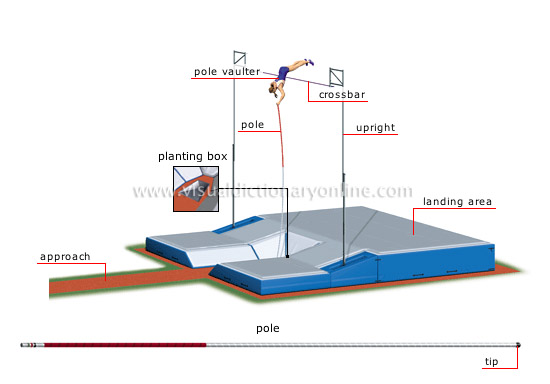
The dramatic effect of technology is more evident in pole-vaulting when bendy bamboos were replaced by Aluminium in 1957. Now it is a highly flexible fibreglass pole, thanks to the minimal regulations imposed by IAAF on pole specifications. Physicists have realised that hollow poles are better than solid-ones and tapering poles are better than parallel ones. As the vault is achieved by releasing the stored strain energy in bent pole, there was enough scope for basic sports research as pioneered by University of Cambridge. The researchers say that in polevaulting, it is impossible to separate technique from apparatus.


War of the Drugs


1930s were remarked for the revolutionary changes in the field of biological research infringing into the realms of pure and applied aspects of biochemistry. The results were synthetic hormones, or steroids and powerfully stimulating Amphetamine tablets. Nazi scientists were alleged for experimenting with Testosterone on German athletes competing in the 1936 Berlin Olympics. This drug backed drive for medals and prestige continued through the Cold, War, ruining the health of countless athletes. Finally it costed the life of Amphetamine-using cyclist Tom Simpson on the slopes of Mont Ventoux, in 1968, instigating compulsory drug-testing in both summer and Winter Olympics. Drug scandals of the last 40 years would arouse a sense of disappointment in everyone that so many fine athletes like Ben Johnson, Maradona and others have turned positive in drug-testing. The ‘World Anti-Doping Agency’ (WADA was established in 1999 but it could do nothing over the prevalence of performance-enhancing “designer-drugs” manufactured by the illegal industries housing at USA and China. US Drug Enforcement Agency’s ‘Operation Raw Deal’, to trace-out their worm-holes also did no good.


Sports supplements fall under a wide range of headings such as Narcotic Analgesics (Heroin, Morphin, etc.), Stimulants (Cocaine, Ephedrine, etc.), Diuretics (Acetazolamide, Amiloride, etc.) and Anabolic Agents such as Steroids. Among hormones, the most widely used is Erythropoietin which can boost Red Blood Cell production and thereby allowing more oxygen to be carried around the body. This improves muscle endurance but there is increased risk of heart attack due to thickening of blood. Another is ‘Human Growth Hormone’ (HSH) which stimulate growth of muscle, cartilage, bone and tendons. No reliable test has been developed yet to test the presence of HGH. Moreover, there as “Masking Agents” which can disguise the presence of performance enhancing substances upon doping testing. Epitestosteron and Dextran are used for this.


And Beyond All That . . .


So, we have got two points as the event of this techno-analysis of sports concludes: First, technology has been changing sports, from the moment toe-hold groves were inserted in ancient Olympics to the potentially revolutionary “dee-three-oh” protective ski clothing secondly, sports itself is changing. This is not a novel phenomenon, but what piles up is the pace and scale of this change. Over the last 20 years, sports have evolved much more than that of an entertainment. It is now an industry, a major one, lie all commerce which is competitive by definition, in the post-Marxist world. Scientists, engineers, technicians, trainers and coaches are striving to give their athletes a slight edge, to sort out between success and penalties. True, over the last few decades major sports have shifted from grass to synthetic and back to grass again. But, whether it will be possible to maintain grass fields in the years of global warming? some like Boseball are sticking to traditions while many are making a synthetic shift. Whatever the future holds for us, as long as we human beings continue to exist, so will sports.


GOLD FROM SPACE: THE NEW QUEST


Throughout history, mankind has exhibited a unique attraction for gold. From the enticing warmth of its glow to its treasured beauty when made into jewellery, the metal has an appeal unlike any other. Yet, despite this earth-bound love affair, scientific research is showing increasingly that one of the world's most precious metals has its origins a little further from home.


Origin of Gold – What Astronomers Say
Astronomers at the University of Leicester recently put forward a new theory for the origin of heavy elements such as gold, found on earth. While common elements such as iron are known to have been formed within huge stars exploring as supernovae, at the end of their lives, scattering debris deep into the universe, this process does not explain how the heavier elements were created.

At last years, National Astronomy meeting at the University of Cambridge in April, astronomers Dr. Andrews King and Dr. Stephen Rosswag explained that gold and other heavy elements are formed in the violent collisions between neutron stars. They can be found orbiting in pairs around each other and will, at times, collide, unleashing one of the most powerful explosions known in the universe.


Neutron Stars
Neutron stars are very small, superdense stars composed mostly of neutrons. They are formed when massive stars explode as supernovae, during which the protons and electrons of the star's atoms merge to make neutrons. A neutron stars may have a mass up to that of three suns, compressed into a globe measuring a few miles across, and density up to a million times.


A supernova explosion emits a burst of gamma rays before the neutron stars merge to from a black hole,with materials spiralling away as ash at temperatures in excess of one billion degree celsius. The incredible heat triggers nuclear reactions that transform lighter elements into gold and platinum. The newly formed gold is thrown far into space containing such elements as hydrogen and helium – that surround it.


Black Holes
Black holes are objects in space whose gravity is so great that nothing can escape from it, not even light. They are thought to form when massive stars shrink at the end of their lives. Black holes can be detected because gas falling towards them becomes so hot that it emits X-rays.


Predictions Turn Reality
Calculations by astronomers reveal that the relative amount of gold and other elements, such as platinum, existing in the solar system match their predictions, providing strong evidence that these metals were indeed formed during the violent collisions of distant stars.


The relationship between gold and space was highlighted in the study conducted by NEAR (Near- Earth Asteroid Rendezvous) Shoemaker spacecraft about the asteroid Eros. The data collected by NEAR at it passed close to the asteroid revealed that this 33 km long space debris, could be a veritable gold mine in space.


Asteroids
Asteroids are minor planets, composed of rock and heavy elements, that orbit the sun. Most lie in the belt between the orbits of Mars and Jupiter. They include Ceres (the largest), Vesta (the brightest), Eros, learus, Appolo, Asteroids and the Irajans. Appolo asteroids cross the earth's orbit. The orbits of some others are close to that of the earth's.


Eros
Eros is the asteroid discovered in 1898, that can pass 22 million km from the earth. Its orbit comes within that of Mars. It is elongated and measures about 36 x12 km. It rotates around its shortest axis every 5.3 years, and orbits the sun every 1.8 years.
In Greek mythology, Eros represents the boy-god of love, traditionally armed with bows and arrows. He is similar to the common god, Cupid.


NEAR
The Near Earth Asteroid Rendezuous satellite (NEAR) was launched by NASA in February 1996, to study Eros. Its mission was to ascertain what asteroids are made of. It took three years to reach Eros. The satellite spent an year circling the asteroid in a attempt to determine the similarities between asteroids and meteorites.


Images projected down from NEAR enabled scientists to estimate the mass and size of Eros. Taking into account Eros' longer length and girth, some scientists believe that the asteroid could maintain as much as $ 1000 billion of the precious metal.


Mining in Space – How much Practicable?
In a venture that appears to enter the realms of science-fiction, the US commercial space-exploration company believe that even after considering the huge economic aspects, mining asteroids for their metals is a very real prospect. SpaceDev, as the company is known, is committed to the idea of launching a privately financed NEAP (Near Earth Asteroid Prospector) satellite. NEAP targets the asteroid belt that exists between the orbits of Jupiter and Mars and containing a staggering amount of untapped raw materials.


However it is far beyond current technology to even think about moving such massive objects. The asteroids are to be visited to assess their resources and these findings could potentially help to overcome any problems with fuelling longer projects. The refuelling could be done without returning to earth, by utilizing the resource such Near Earth Objects.


NEOs
Near Earth Objects, or NEOs, are believed to be dormant comets. These contain water and could used to refuel rockets. However, this is a close-to-dream technology of the future.


What the Scientific Community Says
Dr. John Lwis, author of Morning the Sky, has said that there are numerous asteroids and comets within easy reach of the earth, with many containing large amount of gold and other valuable materials far purer than the ores found on earth.


The smallest-known earth-crossing asteroid Amun contains trillions of dollars worth of precious and strategic metals. Others contain enough potential rocket propellants to fuel an ambitious programme of solar system exploration for millions of years to come, says Dr. Lewis.


Jim Benson, the founder director of SpaceDev Company says "Scientists have analysed hundreds of these asteroids and know their content precisely. The average metallic meteorite contains about 100 times the concentration of gold as any mine on earth".


Deep Space Mining – New Arenas
Northern Centre for Advanced Technology (NotCat) in Ontario, Canada, is currently working to develop a drilling device that can be operated in low gravity conditions and anchored to the surface of a body in space. The Boeing Company has announced that it is joining hands with SpaceDev to drill out gold from the core of dead comets and asteroids in the next 20 years.


Our Gold Mines
India has three important gold fields, Kolar and Hutti gold fields in Karnataka and Ramagiri gold field in Andhra Pradesh. The total gold metal ore reserves here are estimated at 176.9 lakh tonnes, with 66.7 tonnes metal.


Yes, a new era is beginning in space technology and a saga of human triumph over the endless ocean of eternal silence. Asteroids, meterorites and lifeless planets are no longer useless chunks of space debris. They can be the real elixir of life – as somebody said: "Myths never die, but realities may ......."

Courtesy: Gold Magazine, Spring 2004.

GM FOOD IN INDIA: GREAT EXPECTATIONS?

Expectations were great towards a humble vegetable that was about to make a ‘secret entry’ to the food markets in India, amidst the well networked out-cry and campaigns from anti-GM protestors that make it an event watchful among the greenish think-tanks of the world. The much expected guest was a genetically engineered food crop, being the first, to be introduced into India- the much proclaimed Bt-brinjal. However with the Union Government's declaration on 10th of this month, everything subsided. It is not the first time that a genetically manipulated agricultural product grabs an attic highlight in the ardent public media in India, the nettles of Bt. Cotton are already there. But, what is more disturbing is that, Bt. Brinjal is a food crop, and once it is in the slanting panoplies of our nearby market, we can’t say which one is gene-pulled and which one is not. The Maharashtra Hybrid Seeds Company-Mahyco which has developed this “magic-wand” for the farmers of India says that it is enough catering an equal stand up with conventional brinjal fruits. A labeling intending to distinguish the gene-modified was mandatory as per the consumerists.


GM- The Science
The ‘GM’ stands for ‘Genetically Modified’ and ‘GMO’ for the ‘genetically modified organism’,both coming from the biotech industry through the ingenious application of ‘GE’ which is ‘Genetic Engineering’. Thanks to Henry Harris and John Watkins of Oxford who found that viruses can fuse cells of different kinds into hybrid forms, in 1965, though not knowing that they were watching the prelude of a future revolution (Anonymous, 1989). When they tried to re-do this with dead and live viruses, they got ‘cellular hybrids’. And to be more surprisingly they found that the coalesceing cells need not be from single species, there can be interspecific hybrids also. Later, this technique became more perfected, in the sense that specific genes could be transferred. It occurred to scientists that even the evolutionary Fathoms could be crossed, passage of genes from bacteria to higher organisms being possible. Historically, we Indians can be proud that Har Gobind Ghorana dramatized the situation by creating the first artificial gene from different tethered genetic segments. He then introduced the new genetic make up into a bacterium called E. coli, showing that it is easy to produce multiple copies of a manipulated gene. In the early 90s, the genetic techniques became more ‘crazy’ than omnipotent, that Pam Dunsmuir and her colleagues at DNA Plant Technology Corporation, a biotech company in California, put a fish gene into a tomato! Though a fish was never ‘smuggled’ into a
vegetarians table top, it unleashed a possibility- the wizardry offered by the trans-gene technology. However, as the techniques stumbled out from the laboratories to industry, it lost its many faces. Since the intentions were purely profitdriven, they cared little for the environment,little for the humans and least for the harmony between. Thus the dark ages began in the field of GM-research which often muffled the truth or baffled the masses with mantled field trial reports.


Bacillus thuringiensis


Bacillus thuringiensis is a soilbacterium, the name of which is usually abbreviated as ‘Bt’. It is a gram-positive bacterium which was first identified in Japan by Ishiwata in 1901. The insecticidal activity of Bt was first discovered in 1911, by Ernst Berliner, a German scientist. In 2000, a team of microbiologists from University of Oslo proposed that Bascillus thuringiensis is closely related to two species of the genus Bacillus, such as Bacillus cereus and Bacillus anthracis. Bacillus cereus is the common cause of food poisoning and Bacillus anthracis is the causative organism of the fatal disease called Anthrax. The only difference between Btand the other two is that Bacillusanthracis and Bacillus creus are an extra ring of DNA called plasmid that produces a toxic protein called cryprotein. The gene that enables Bt toproduce the cry protein is called the crygene. The cry-proteins are toxic to insects belonging to the orders such as Lepidoptera (Moths and Butterflies),Coleoptera (Beetles) and Diptera (Flies and Mosquitoes).


The Wild and the Sown
The first genetically engineered whole food to reach the market was ‘Flavr-Savr’ transgenic tomato brought out by Calgene, an American company in 1994. Actually, the term‘transgenic’ would be a misnomer, as the plant contained no foreign gene, but a silenced gene for fruit-ripening. The Polygalactouranase Gene or the ‘PG’ as it is usually mentioned was in fact flipped by the researchers and put in the reverse order. This resulted in delayed ripening in the ‘Flavr-Savr’ tomatoes, making it a suitable commodity for distant delivery. As per Belinda Martineau, who wrote the book: “First Fruit: The Creation of the Flavr Savr Tomato and the Birth of Genetically Engineered Food”, the increased shelf-life made ‘Flavr-Savr’ to be sold out as hot
cakes(Martineu, 2001). There were even a waiting list of grocers wanting to stock the GMtomato.
Unfortunately, the Calgene had incorporated a ‘marker gene’ enabling easy identification of modified samples, in their laboratory and this was an antibiotic-resistant gene segment. The resistance conferred was for Kanamycin, a mild antibiotic, but it was proposed that there was a risk of new bacterial strains emerging which are resistant to other major antibiotics also. Since it raised an issue of future impact on public health, the ‘Food and Drug Administration’ (FDA) reconsidered the approval of Flavr Savr, eventually leading to the bankruptcy of Calgene. It is interesting to note that Calgene was literally absorbed by Monsanto, the biotech giant which is now licenced with Mahyco, on the release of Bt-Brinjal. The same Kanamycin-resistant gene is there as marker-tag in the Bt-Brinjal also.


Bt-Brinjal
It is the first genetically modified food crop to be cultivated in India, but don’t be confused that it is not the first genetically modified agricultural crop in varieties cultivated in Tamil Nadu and six varieties cultivated in Maharashtra. Since these 6 M-varieties will be subjected to specific pricing earlier, the farmers are believed to get them at competitive rates. The second controversial GM crop introduced was ‘Round up Ready Soybeans’ tactfully marketed by Monsanto among the soybean-growing belts of American states. It was counter-product intended to protect the market sustained by a weedicide by name ‘Roundup’, topped by one billion dollars in worldwide sales. Round up, discovered by the Monsanto chemist John Franz was patented by them in early seventies and was the most popular weed-killer in the world, ever since its inception. It was a broad spectrum herbicide but, leaving no discrimination over weeds and crop plants. Roundup’s action was through the blockage of the amino acid metabolism, affecting respiration and killing the plant within a week or two (Funke, et. al,2006). So, it caused great problem for the farmers though they didn’t complain, as there was no efficient alternative to it. Fearing a rival from other biotechs, Monsanto was eagerly researching to make Round up more specific but largely in vain. India, it is Bt-Cotton, which was permitted to be commercially cultivated in Andhra Pradesh, Gujarat, Karnataka, Madhya Pradesh, Maharashtra and Tamil Nadu in 2002. Both Bt-Cotton and Bt- Brinjal were introduced into India by the Maharashtra Hybrid Seeds Company, popularly known as the Mahyco, the Indian arm of the American multinational, Monsanto. Bt-Brinjal is inserted, with a gene taken from the soil bacterium called Bacillus thuriengiensis,which is denoted by the singular - Bt. This gene is supposed to give resistance to the brinjal plant against the fruit and shoot-borer pests. Presently the gene has been incorporated into four conventional
the test results by hiring some research laboratories in US, such as the ‘Industrial Biotest Laboratories’ and the ‘Craven Labs (Schneider, 1983). The Environmental Protection Agency (EPA) of the United State referred to the study reports of these private labs as “routine salsification of data” for which one of the companies was fined by 15.5 million dollars and its chairman, five years imprisonment.


The Bt Controversy
GM crops were in the central spot of discussion during the late ninetees, with a wide variety of ‘Bt-crops’ enviably spreading the world. ‘Bt’ refers to a bacterium Bacillusthuringiensis, from which a particular ‘cry-gene’ was incorporated into the crops. The gene could produce a protein which when ate by the insects could paralyse their digestive system and kill them. The protein can trigger a series of chemical changes only in the high-alkaline pH,customary to the insect midguts alone and sono possible threats to other animal life was anticipated (Betz et. al., 2000). Though the first Bt gene was reported to be cloned to bacteria in early eighties, the real ‘Bt-s’ in the form of Genetically Modified Crops appeared only in 1990s. (The first attempt was done by theBelgian company- Plant Genetic Systems which produced Bt-tobacco in 1985). Bt-com first went on sale in 1996, followed by the Bt-cotton which within a daring span of ten years spread to
281,500 km2 in the world. Bt-varieties were sold by Monsanto mainly, but also by Syngenta,
 Aventis, Mycogen and DuPont. Using the Environmental Impact Quotient-EIQ, it was shown that, over this ten year period, the use of insecticides was reduced by 24.4%. Another study showed that the insecticide use on corn It was then they thought about making the crops tolerant to Roundup and by the end of 1988 they succeeded in developing Roundup tolerant soybeans, primarily with the help of Ganesh Kishore an youngster working in Monsanto lab. The gene was from a familiar bacterium- Agrobacterium and a series of
Roundup Ready crops resulted - AlFalFa, Canola,Cotton, Corn, Lettuce, Potato, Strawberry, Sugarcane and Wheat apart from Roundup soybean. Following the same technology, they developed yet another series by name ‘Liberty’ which could tolerate another herbicide based on a compound called Glufosinate. Canola, Chicory, Corn, Cotton, Rice, Soybean, Sugar beet, Tomato and Wheat were modified to beGlufosinate-tolerant.
It was double benefit for Monsanto which derived dual profit from selling the weedicides much better than before and making the farmers bound to buy the tolerant varieties. Monsanto was claiming that, since theweedicides affect the metabolism of three amino acids specifically such as Phenylalanine, Tyrosine and Tryptophan - which are synthesized by plants alone, animals are spared from its deadly action. However, later research showed that the weedicide chemical can affect other plant enzymes and enzymatic pathways in animals. In 1996, Monsanto was accused of false advertising by presenting ‘Roundup’ as ‘biodegradable’ and leaving the soil unaffected after use. In January 2007, Monsanto was convicted of this crime and the environmental compaigners succeeded in making European Union to declare ‘Roundup’ to be classified under “dangerous for the environment”. On the other hand, Monsanto was trying to falsify and cotton during this ten year period was reduced by 35.6 million kilograms which is roughly equal to the amount of total insecticide usage in European Union, in an year. These initial years of Bt, however, was not free from protests. Within the same year of the introduction of Bt-corn, in May 1999, Nature magazine published a one-page letter from John Losey and two colleagues in the Entomology Department of Cornell University, stating that the pollen from Bt-corn could kill the larvae of the Monarch butterflies (Losey et. al., 1999). The letter was inflaming, creating wide media response across the world because Monarch butterflies are considered as the ‘Fluttering Pandas of the insect world”. Apart from their peculiar defense mechanism towards the bird, predators, they were considered a “national emblem” for undertaking a heroic migration,
each year, from Canada and the United Statesto a patch of forest in Mexico where they cluster in brilliant colours of orange and bright black. Losey’s letter led to a multiple of follow up studies and it was found that the risk comes when the Bt-corn pollen falls over a Milkweed leaf which is the natural food of the Monarch butterflies. Milkweed was a common weed among the corn fields and the hazard, pointed out by Losey was a damn possibility. So, it really mattered a question when “Friends of the Earth” asked: “If these deadly toxins that kill butterflies are introduced into your food, what effects these toxins would have in you and on your family?”. This was being answered by many instances, as the 2007. Greenpeace study which suggested the possibility of liver damage in rats fed with Bt-food. In 2008, an Australian study reported reduced fertility in mice fed on Bt-treated corn food. However, there is still a fraction in the scientific community which believes that these are overstatements of the cases concerned.


Another debate that received a rather sensationalized publicity on GM-food around the world was the ‘Starlink corn controversy’, StartLinkcom’ was a Bt-maize that was genetically engineered against the insect pest called European Corn Borer. It was patented by ‘Aventis Crop Sciences’, headquartered in France
and received the approval by US regulatory authorities in 1997- to be commercialized as an animal feed. It was modified with a Cry9C gene, producing a protein that was suspected to be a potential allergen (Chilutt & Tabahnik, 2004). The company wanted to popularize the brand as animal feed first, then upgrading as human food. However, the farmers who brought them to fields, were not properly informed about the forage grade of that crop and so they sold it along with normal corns to industrial firms, making corn flakes and other corn-based items of food. It is not clear whether the company wanted an “unintentional” human trial, but soon after ‘Washington Post’ reported the contamination of corn-food with Starlink corn, many complaints on allergic reactions were submitted before the ‘Centers of Disease Control’, in US. Meanwhile, the southern parts of the US had planted the greatest amount of StarLink corn and the company claimed that it had asked the farmers to plant a 660-foot “buffer strip” by another crop, other than corn to avoid genetic contamination. It was an argument to render the farmers as the soulculprits,but the State Attorneys of the 17 states representing the farmers argued it, favouring a negotiation of reimbursement to farmers.Aventis offered to purchase all the StarLink harvest, but there was a massive outcry again when the food-aid sent to Central African nations by the UN and US was found to contain the StarLink allergens. The nations involved refused to accept the aid also. Aventis Crop Sciences voluntarily cancelled the StarLink registration and the cancellation came to effect from 20th February, 2001.


Are they safe to eat?
On August 10, 1998, Arpad Pusztai, a protein scientist from Rowett Research Institute, Scotland, was interviewed on a popular British Television show by name - “World in Action”.In his 35 years at Rowett, Pusztai had studied ‘lectins’- a sugar-binding protein found in plants. Because of his expertise, he had been asked to test the safety of a potato variety, genetically engineered to produce ‘lectin’ as a pesticide. The lectin gene was taken from another plant, the snowdrop. In the television interview, Pusztai told the audience that while he fed the genetically modified potatoes to rats, they showed stunted growth and damage totheir immune system. He said that if he was given a GM-potato, he won’t eat it and stated that “it is very,very unfair to use our fellow citizens as guinea pigs”. The interview made headlines around the world and shortly after the broadcast, the Director of Rowett Institute, Philip James, received devoid of two phone calls. One was from Monsanto, the world’s largest producer of GM crops and the second from the office of Tony Blair, the then British Prime Minister. It is said that Bill Clinton, the then president of US telephoned Blair and Blair’s office ringed Philip James. The initial reaction of Rowett Institute was that it was not doing any research on 6 M-crops, and Pusztai was suspended from his job, his data was confiscated and all the experimental potatoes were destroyed. Pusztai was forbidden from talking to press and he was legally gagged, along with his wife and colleague, Susan Bardocz. And, Pusztai’s whole work was put under investigation by a committee, but it was bizarre that it was an Audit Committee! Irrespective of all these pressures, Pusztai published his findings along with another researcher, Stanley Ewen, in the journal ‘The Lancet,(Ewen & Pusztai, 1999). This paper still remains as an unquestionable evidence of the health hazards of GM-food.


Bt Coming to India
We can wonder that irrespective of these tarnished chronologies, Bt-technology got a whole hearted welcome to the farm fields in India. The Maharashtra Hybrid Seeds Company got the permission from Department of Biotechnology, Government of India on 27th July, 1998, for Field trials of Bt-cotton in 25 locations in India and approval for a second set of trials at 15 locations was granted on 5th August, the same year. In May 2000, the company got permission from the Genetic Engineering Approval Committee (GEAC), the supreme statutory body regarding GMOs in India, to plant Bt-cotton in 85 hectares and seed production in 150 hectares as part of large scale field trials. Approval for the commercial release of Bt-cotton was granted by the 32nd meeting of the GEAC, on 5th April 2002, resulting in Bt-cotton plantings in Andhra Pradesh, Gujarat, Karnataka, Madhya Pradesh, Maharashtra and Tamil Nadu (Zora, 2006). food. However, the farmers who brought them to fields, were not properly informed about the forage grade of that crop and so they sold it along with normal corns to industrial firms, making corn flakes and other corn-based items of food. It is not clear whether the company wanted an “unintentional” human trial, but soon after ‘Washington Post’ reported the contamination of corn-food with Starlink corn, many complaints on allergic reactions were submitted before the ‘Centers of Disease Control’, in US. Meanwhile, the southern parts of the US had planted the greatest amount of StarLink corn and the company claimed that it had asked the farmers to plant a 660-foot “buffer strip” by another crop, other than corn to avoid genetic contamination. It was an argument to render the farmers as the soulculprits, but the State Attorneys of the 17 states representing the farmers argued it, favouring a negotiation of reimbursement to farmers. During the harvestseason of 2003-04, an i n d e p e n d e n t initiative called ‘Deccan Development society’ undertookthe first ever performance study of Bt-cotton in three districts of Andhra Pradesh. They found
that the Bt-seeds costs 230% more than the non-Bt cotton seeds while the net profit from Bt-cotton was 9% less compared to the conventional farming practices. Mahyco and Monsanto had claimed 15 quintals (1500 kilos) yield per hectare, but it was found to be 4 quintals, in subsequent years also. A Cost-Benefit Analysis carried out by an NGO (Research Foundation for Science, Technology and Ecology-RFSTE) found that the Bt-cotton farmers were incurring losses of Rs.6400/- per acre, on an average. Hence, it was so natural that the farmers in the Vidharbha region of Maharashtra preferred suicide to life at the rate of two to three per day, since June 2005. Though other reasons were cited later on, Vidharbha lingers in public consciousness as an icon of theunacceptable Face of GM technology.


GM Biosafety Regulation in India
India is among the first countries to formulate a legislation towards research, manufacture, release and use of genetically Modified Organisms. It is notified under the Environmental Protection Act of December 1989, issued by the Ministry of Environment and Forest, Government of India. The rules under the act order statutory clearances and safeguards through the following authorities, defined in section 4 of it.


1) Review Committee on Genetic Modification (RCGM) - considers applications asking for permission towards field-trials of genetically modified crops.


2) Genetic Engineering Approval Committee (GEAC) - assesses the field trials and decides
whether to commercialize the genetically modified crop.


3) Monitoring and Evaluation Committee (MEC) - monitors field trials, assesses the biosafety and evaluates the cropyield.


Apart from this, the Biotechnology Department has made a proposal for a National Biotechnology Regulatory Authority (NBRA) in 2008. Besides, the Ministry of Health and Family Welfare has accepted the recommendation of the Indian Council of Medical Research, to amend Prevention of Food Adulteration Rules of 1955, asking for separately labeling the GM-food/crops in the market.


The Brinjal Story
Bt-Brinjal in India was cleared for field trials by Genetic Engineering Approval Committee(GEAC) in 2006. After field trails by the manufacturer of this GM-crops, original licencee Mahyco from Monsanto, filed the results before GEAC for formal approval, demanding commercial release. At that time, some environmental NGOs in the country asked for a copy of the field trail report submitted before the GEAC, through the “Right to Information Act”. GEAC, refused the request, arguing that companies are entitled to protect their intellectual property. The NGOs, however, went to court and in March 2008, the Delhi High Court ruled that GEAC should provide the details of Bt-Brinjal Fieldtrials to them. The NGOs sent the results to several scientists around the world and got back two responses. The first report was from an NGO in France - ‘Committee for Independent Research and Information on Genetic Engineering’, authored by Gilles-Eric Seralini, its biochemist, describing the serious health risks posed by Bt-Brinjal on man and other life-forms. The second response was from Judy Cormen, The Director of the ‘Institute of Health and Environmental Research’ another NGO, which found errors in Mahyco’s research methodology. In addition to these, research done by Indian NGO groups found that Bt-Brinjal could induce liver damage in goats, anemia in rabbits, increased blood glucose in chicken and liver-weight decrease in rats. In Mahyco’s research, the  longest period of toxicity test was 90 days and so the possibility of long term effects such as tumours and cancers were not considered. These findings, along with the Seralini and Carmen Reports were submitted to 6 EAC when hey met on January 14, 2009 to give the final nod to Bt-Brinjal to India. The decision was to suspend the release, enabling a sub-committee of GEAC to evaluate the reports. Now everything has come to an end, it seems. But, Union Minister for Environment and Forests, Mr. Jairam Ramesh has said that it was indeed a hasty decision. Still we dont know what will be the plight of GM Food in our country.

References


1. Anonymous (1989) - Special Issue, The New Harvest:Genetically Engineered Species, Science 244: 1275-1325.


2. Betz. F.S. et. al. (2000) - Safety and Advantages of Bacillus thruringiensis - protected plants to control insect pests,Regulatory Toxicol. & Pharmacol. 32:156-173.


3.Chilcutt, C.F and B.E. Tabahnik (2004) - Contamination of refuges by Bacillus thuringiensis toxin genes from ransgenic maize. Proc. Natl. Acad. Sci., 98: 11937-11942.


4. Ewen, S.W. and A. Pusztai (1999) -Effects of diet ontaining genetically modified potatoes expressing alanthus nivalis lectin on rat small intestine, Lancet 354:1353-1354.


5. Funke, T. et. a.l (2006) - Molecular basis for the herbicide esistance of Roundup Ready Crops”, PNAS 103: 13010- 3015.


6. Losey, J.E. et al. (1999) - Transgenic Pollen Harms Mnarch Larvae. Nature 399:214


7. Martineau, B. (2001) - First Fruit: The Creation of the Favr-Savr Tomato and the Birth of the GeneticallyEngineered Food, McGraw-Hill, New York.


8. Schneider, K. (1983) - Faking it: The Case againstIndustrial Bio-Test Laboratories, The Amicus J. 14-26.


9. Zora, P. (2006) - Vidarbha Farmers in the Press - extractsfrom article. Shiva, Vandana (Dr.) (2006), “Farmers Suicide and the Vidarbha Package”-letter to the Prime Minister, BIJA, Monsoon 2006.